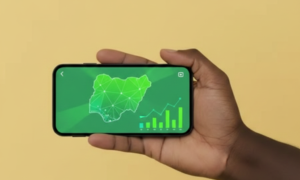
Nigeria’s technology ecosystem has emerged as one of the most dynamic in the world, with Lagos now firmly established as a top-tier global startup hub alongside cities like Cairo, Nairobi and Cape Town. In 2025, Nigerian startups raised over $1.5 billion in venture capital funding, despite a global pullback in tech investment.
Fintech remains the dominant sector, with companies like Flutterwave, Paystack (now a Stripe subsidiary), and Moniepoint continuing to reshape how Nigerians send, receive and manage money. The sector has also expanded into lending, insurance, and pension management, helping to bring millions of previously unbanked Nigerians into the formal financial system.
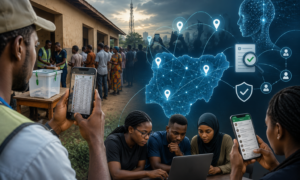
Beyond fintech, sectors like healthtech, edtech, and agritech are attracting increasing investment. Startups are using AI and mobile technology to solve uniquely Nigerian problems — from diagnosing diseases in rural clinics without specialists to helping smallholder farmers access real-time market pricing data.
The government’s National Information Technology Development Agency (NITDA) has introduced several policies to support the ecosystem, including a framework for AI adoption and data protection regulations aligned with international standards.
However, challenges persist. Infrastructure deficits — particularly unreliable power and patchy internet connectivity outside major cities — continue to constrain growth. Regulatory uncertainty in some sectors and a brain drain of top tech talent to Europe and North America also pose structural challenges.
Despite these headwinds, Nigeria’s tech ecosystem’s trajectory remains positive, underpinned by a young, entrepreneurial population hungry for digital solutions.