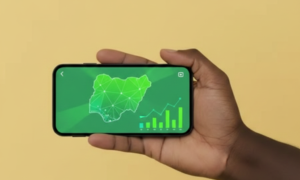
Across Nigeria, a new generation of citizens is reshaping the future of elections — not with protests or political slogans alone, but with technology. Young Nigerians, many under the age of 38, are building digital tools that are making elections more transparent, harder to manipulate, and easier for ordinary citizens to monitor in real time.
From election monitoring apps to AI-powered fact-checking platforms, civic technology is becoming one of the strongest forces driving accountability in Nigeria’s democracy. What was once controlled by a few powerful institutions is now being watched closely by millions of connected citizens armed with smartphones, live updates, and digital evidence.
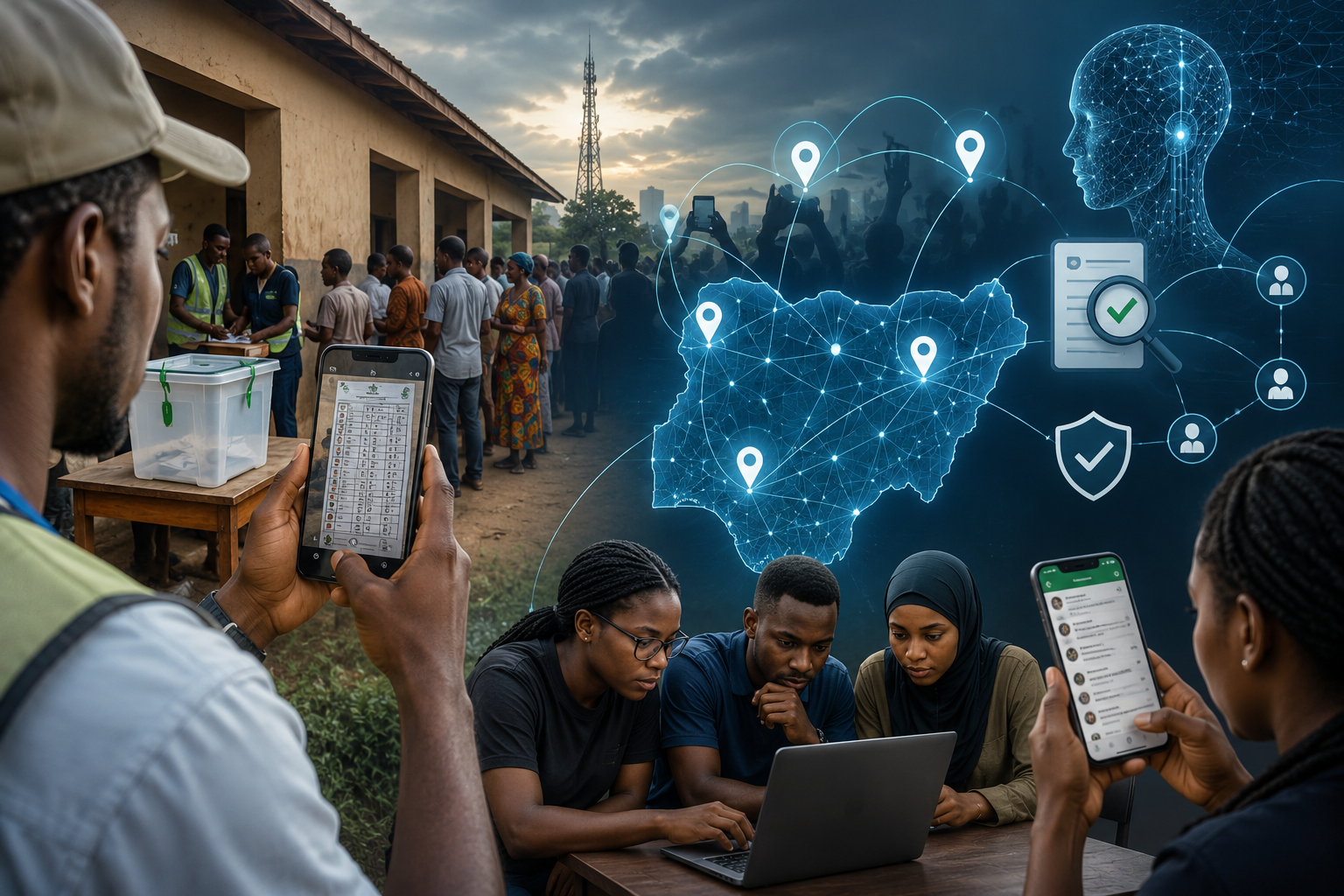
One of the most impactful developments is the rise of platforms like WatchNigeria, which allow election agents and observers to upload polling unit results directly from the field. Using features like photo uploads, timestamping, and GPS verification, these platforms create independent records of results before they can be altered or disputed elsewhere. This real-time citizen reporting model is helping civil society groups quickly identify irregularities, missing results, and suspicious voting patterns.
At the same time, social media platforms such as X (formerly Twitter) and WhatsApp have become powerful tools for both information sharing and public scrutiny. Although misinformation remains a serious concern during elections, volunteer-led fact-checking communities are stepping up to counter false claims almost instantly. Viral rumors are now being challenged within minutes through collaborative online verification efforts.
Nigerian students and young innovators are also contributing beyond the digital space. Across universities and local communities, grassroots initiatives are teaching voters how to verify election information, recognize manipulated content, and safely report incidents without putting themselves at risk. These digital literacy efforts are helping citizens become more informed and resilient against misinformation campaigns.
International organizations have started recognizing the importance of these citizen-led innovations. Election observers increasingly see civic technology as a positive sign of democratic growth in Nigeria, especially as public trust in traditional electoral systems continues to face challenges.
Still, the long-term success of these initiatives depends on sustainability. Many of these projects are volunteer-driven and become most active only during election seasons. The next challenge will be building lasting systems, securing support, and ensuring that citizen-powered election monitoring continues long after the ballots are counted.
As Nigeria moves closer to the 2027 general elections, one thing is becoming clear: technology is no longer just supporting democracy — it is becoming one of its strongest defenders.